 en
en
 Italian
  Spanish
  Hungarian
  Thai
Thai  Japanese
  Portuguese
  Malay
Malay  Russian
  French
  German
  Arabic
  Indonesian
How Does Internal Drainage Improve Flat Pack Container Performance?
Rainwater is one of those details that is easy to overlook when selecting a modular building. Buyers usually spend more time checking the frame, wall panels, insulation, doors and windows. Roof drainage often stays somewhere near the end of the technical discussion.
Problems usually appear after the building has been installed.
Water may remain around roof joints, collect at low points, run toward the wall connection or enter areas where sealing has already been weakened. In a single unit, the repair may be manageable. On a project with dozens of units, repeated water problems become a maintenance issue.
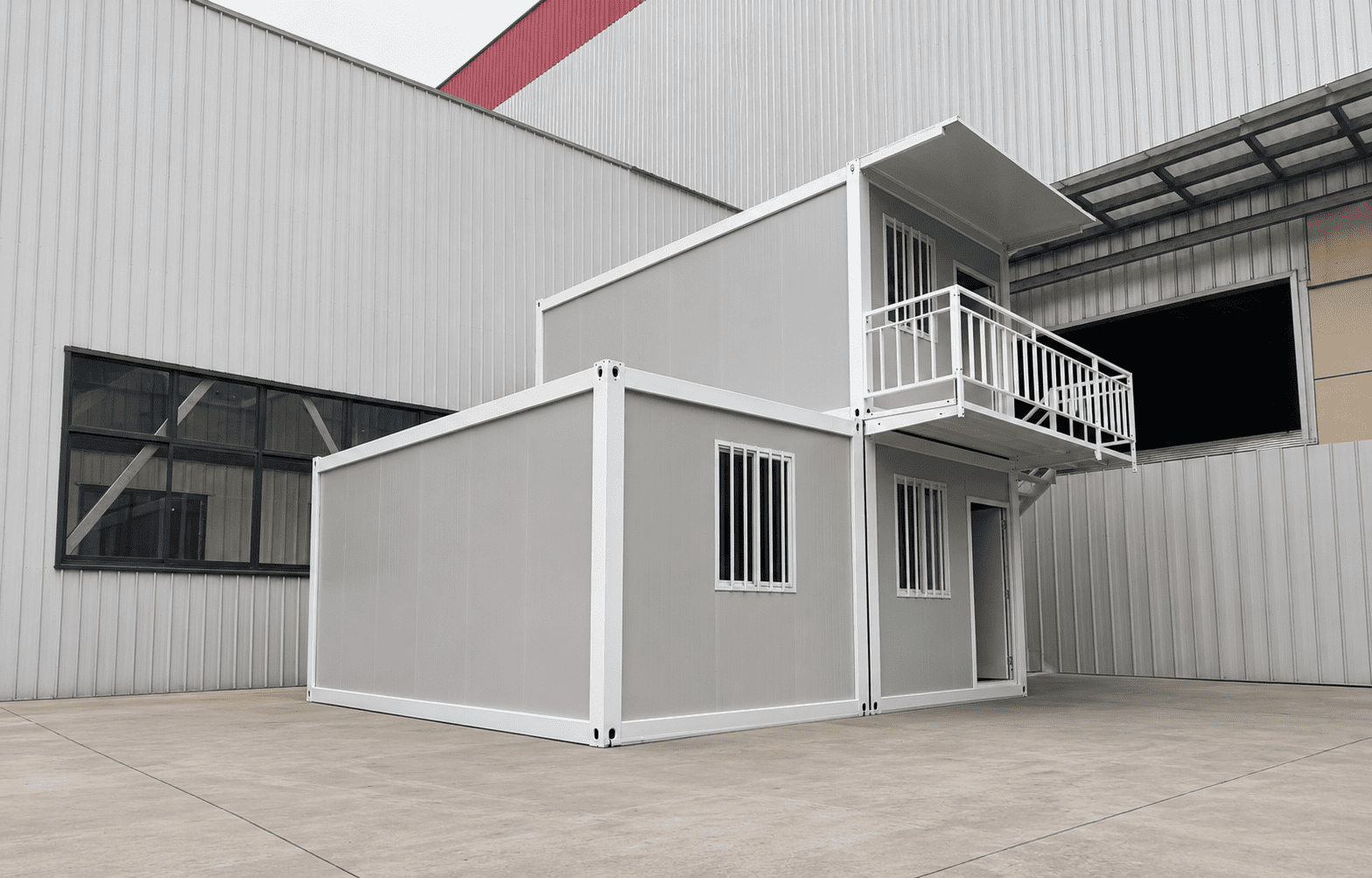
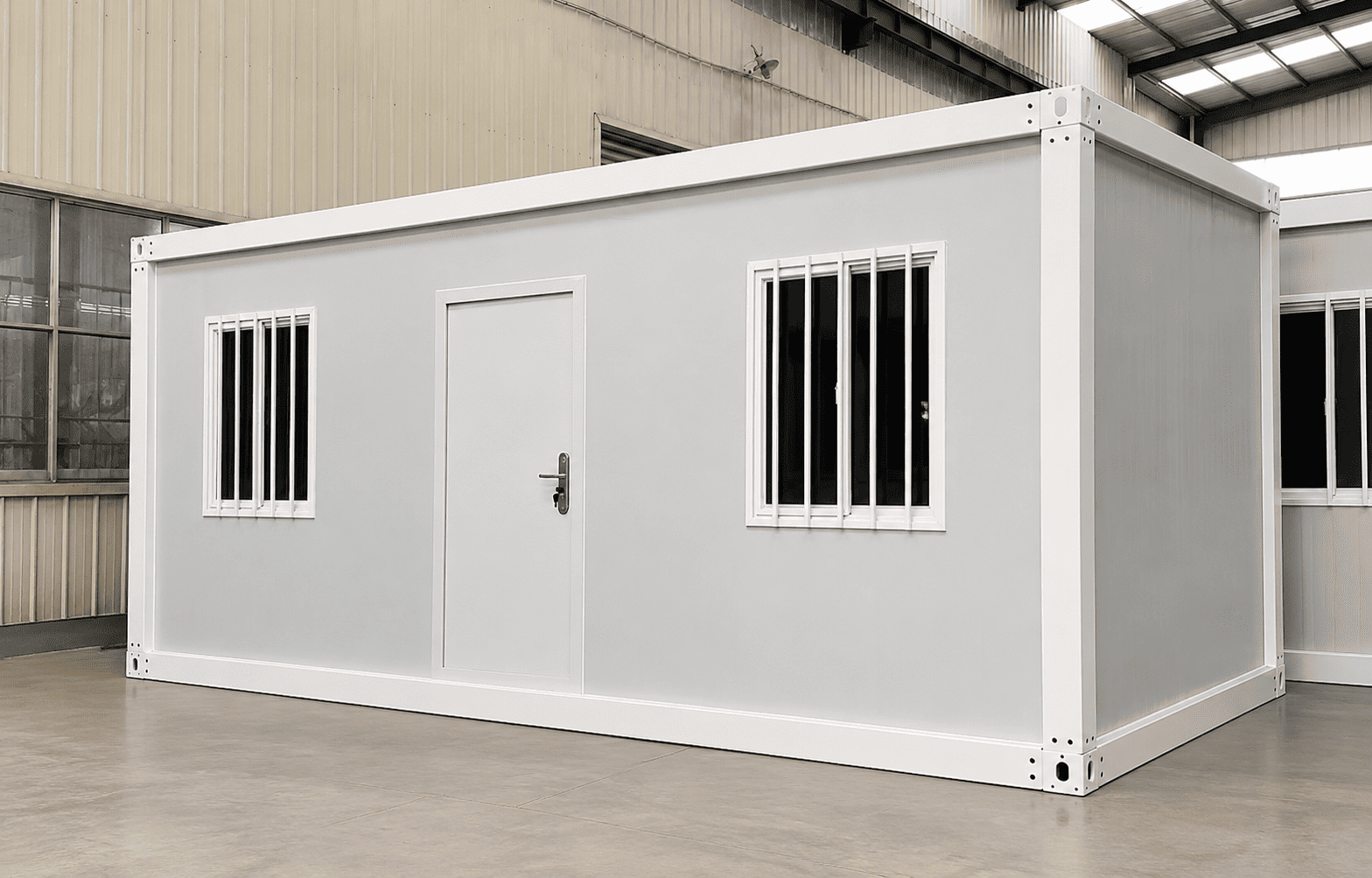
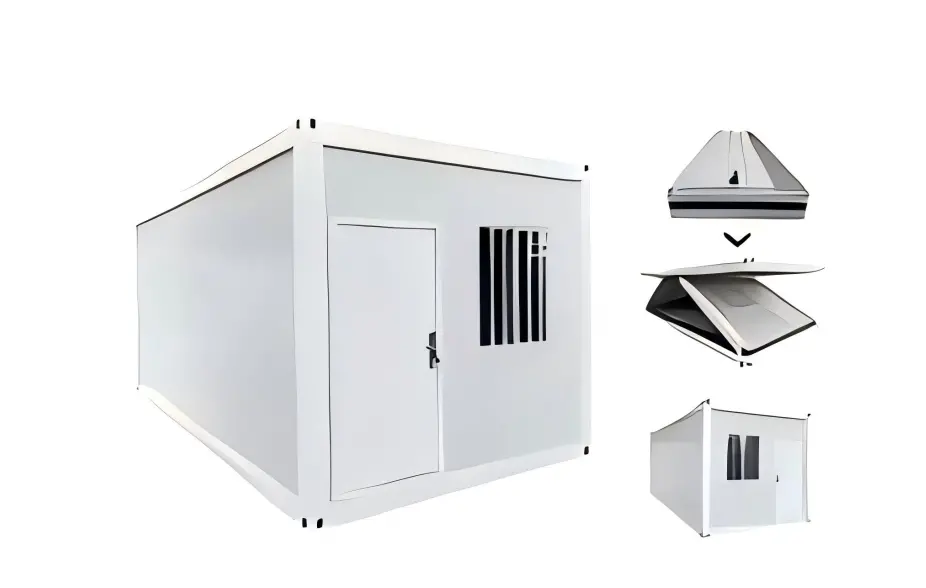
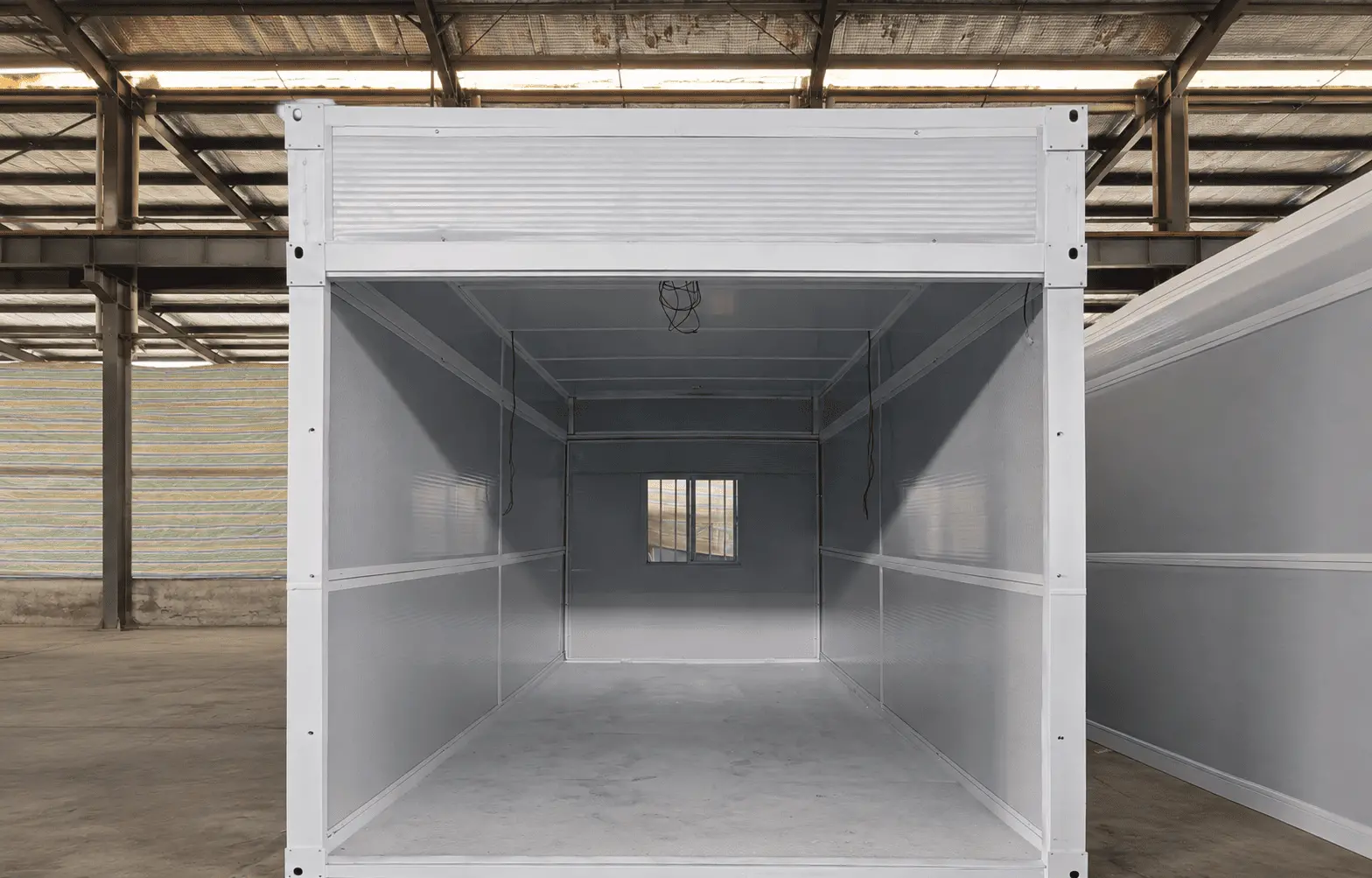
Casa Box uses an internal drainage arrangement in its Detachable Flat Pack Container. The drainage route is integrated into the roof and structural design, keeping much of the drainage system inside the building rather than placing a large number of drainage components on the exterior.
The purpose goes beyond appearance. Roof water needs a controlled route from the moment it reaches the roof until it leaves the building.
Water Needs a Planned Route
A modular building contains many separate parts.
Roof panels connect to the frame. Wall panels meet at corners. Doors, windows and other openings create additional joints. Drainage outlets have to work with the roof structure rather than being treated as an afterthought.
Rainwater will always find a path. The question is whether the building has already provided one.
When water stays around a joint for a long time, the surrounding materials remain exposed to moisture. Repeated wetting and drying can also put more pressure on sealing materials. In coastal, tropical or high-rainfall locations, these conditions deserve particular attention.
A roof panel alone tells very little about the complete drainage performance of a building.
What Happens When Water Collects on the Roof?
Roof drainage starts with the roof itself.
A suitable slope allows rainwater to move toward the intended collection or discharge point. The roof connection, drainage route and outlet then need to carry the water away without creating another weak point.
Several locations normally require attention:
· Roof edges
· Corners
· Panel joints
· Roof-to-wall connections
· Drainage outlets
· Sealing interfaces
· Areas around doors and windows
The actual details depend on the building structure, but the principle is straightforward: water should move through a defined route rather than remain on the roof or reach sensitive joints.
For modular buildings, there is another consideration. The roof has to work as part of a structure that is manufactured, transported, assembled and potentially dismantled later. Drainage details therefore need to fit the building system rather than simply being added after production.
How Does Internal Drainage Work?
With an internal drainage arrangement, the rainwater route is incorporated into the building structure.
Instead of relying mainly on gutters, pipes or other drainage components mounted outside the wall line, the roof and structural members are designed to accommodate the drainage route.
That arrangement gives the exterior a cleaner appearance. It also reduces the number of drainage components directly exposed to rain, sunlight, dust and physical contact around the building.
For a temporary office, accommodation unit or construction camp, appearance may not be the first priority. Even so, exposed pipes and fittings can become inconvenient during installation, maintenance or later modification of the building.
An integrated drainage arrangement keeps more of those details within the overall building system.
The exact route still depends on the selected configuration and project requirements. Roof size, building combination, local rainfall and the final discharge location all need to be considered during technical planning.
Drainage Does Not Replace Waterproofing
These two functions are sometimes mixed together during product comparisons.
Waterproofing deals with keeping water out.
Drainage deals with moving water away.
A roof can have good waterproofing materials and still have poor water management if rainwater has nowhere to go. The opposite also applies: a well-planned drainage route cannot compensate for damaged seals or badly treated joints.
For procurement teams, a supplier saying that the roof is “waterproof” should not end the discussion.
It is more useful to ask where the rainwater goes, how it reaches the outlet, how the roof joints are protected and whether the drainage system can be inspected after installation.
Those questions provide much more information about the actual roof design.
Why Does the Exterior Drainage Arrangement Matter?
External drainage components remain exposed throughout the building's service period.
They are affected by weather and can also be knocked during construction activities, equipment movement or routine maintenance. On a busy project site, even a relatively simple pipe or gutter can become something workers have to work around.
Casa Box's internal drainage arrangement reduces the amount of drainage hardware visible outside the building.
The exterior therefore remains relatively clean, while the drainage function is handled as part of the roof and structural system.
There is no need to treat this as a maintenance-free solution. Drainage outlets still need inspection, and the roof still needs to be checked after installation and during service. The difference lies in where the drainage system sits and how early it is considered in the building design.
Heavy Rain Puts More Pressure on the System
Rainfall conditions are not the same from one project location to another.
A building used in a dry inland area will face different conditions from one installed in a tropical region with frequent heavy storms. Annual rainfall gives only part of the picture. Short periods of intense rain can place considerable demand on roof drainage.
Project size also changes the calculation.
A single unit may have a relatively simple roof area. A construction camp containing 50 or 100 units has many roofs, many outlets and many points where water eventually reaches the ground.
Ground conditions matter as well. Water discharged correctly from the roof can still become a problem if the surrounding site has poor drainage or insufficient capacity.
For large projects, roof drainage and site drainage should therefore be considered together.
What Maintenance Does Internal Drainage Require?
An internal drainage system still needs regular checking.
Dust, leaves and construction debris can block drainage outlets. During installation, small pieces of packaging or building material can also end up in places where they should not be.
A practical inspection should include:
· Clearing roof outlets
· Checking accessible drainage sections
· Looking for standing water after heavy rain
· Inspecting roof joints and seals
· Checking the discharge area
· Investigating interior moisture or staining quickly
These checks become particularly useful when a modular building remains in service for several years.
Maintenance teams do not necessarily need to dismantle the building to carry out routine inspection, but the system needs to be designed with maintenance in mind from the beginning.
Questions Buyers Should Ask the Supplier
Drainage information is often hidden inside a general roof specification. Asking a few direct questions can make supplier comparisons much easier.
Question | What You Need to Know |
How does rainwater leave the roof? | The actual water-flow route |
Where are the drainage outlets? | Location and access for inspection |
How does the roof connect to the drainage system? | Treatment of roof connections |
Where is the water discharged? | Final discharge arrangement |
Are drainage components exposed outside? | Exterior appearance and weather exposure |
Can the drainage route be inspected? | Maintenance requirements |
How are roof joints sealed? | Protection against water entry |
Can the system handle the conditions at the project location? | Suitability for local rainfall |
These details are useful when two suppliers offer products with similar dimensions and similar-looking roof panels.
The difference may only become visible when the buildings have been installed and exposed to several seasons of weather.
Why Does the Issue Become More Serious on Large Projects?
Consider a project with one unit and another with 100 units.
A drainage problem affecting one building is a repair task. The same detail repeated across 100 buildings can create a much larger workload.
Modular construction depends heavily on standardized components. The same roof connection, drainage detail and sealing method may appear across the entire project.
Good detailing therefore has a multiplying effect.
The same applies to poor detailing.
If water repeatedly collects around the same type of connection, maintenance teams may end up checking and repairing the same location across many units. Access, labor, spare parts and downtime all add to the problem.
For EPC contractors and construction companies, drainage design deserves attention before mass production starts, not after the first batch has been installed.
How Casa Box Handles Internal Drainage
Casa Box's Detachable Flat Pack Container incorporates internal drainage into the overall roof and structural arrangement.
The system is designed around a defined route for rainwater, with the drainage components coordinated with the roof structure. Keeping the drainage arrangement largely within the building also helps maintain a cleaner exterior.
The design needs to be matched with the actual project configuration. Roof layout, rainfall conditions, building arrangement, installation details and final discharge all influence the technical solution.
That review is especially important when several units are connected or arranged into a larger compound.
Look at the Whole Water Path
Roof drainage should not be judged from one component.
A more useful way to check the system is to follow the water from beginning to end:
Roof surface → Water flow → Drainage route → Outlet → Site drainage
A problem at any point can affect the result.
The roof needs to move water. The drainage route needs to carry it away. The outlet needs to discharge it properly. The ground around the building needs to accept the discharged water.
For modular buildings used on construction sites, industrial projects and accommodation compounds, these details can have a direct effect on maintenance over the service period.
Casa Box's internal drainage design puts water management into the building structure from the design stage, rather than treating it as an external accessory.
For detailed roof configurations, internal drainage arrangements, component specifications and project requirements, please contact the Casa Box sales team.
Content Center
Container house news, guides and project insights.