 en
en
 Italian
  Spanish
  Hungarian
  Thai
Thai  Japanese
  Portuguese
  Malay
Malay  Russian
  French
  German
  Arabic
  Indonesian
How Detachable Container Houses Help Build Flexible Modular Spaces for Different Applications
Construction projects are becoming more complex in terms of location, schedule, workforce management, and facility requirements. A project may start with a small engineering team and gradually expand into a large-scale operation requiring offices, accommodation facilities, storage areas, and service spaces.
For many years, temporary buildings were mainly considered short-term facilities with limited functions. However, the requirements of modern construction, infrastructure development, mining operations, and industrial projects have changed. Project owners now need buildings that can adapt to different stages, locations, and operational conditions.
A fixed building solution often creates limitations when project requirements change. Expanding the space, changing the layout, or relocating facilities usually requires additional construction work and higher costs.
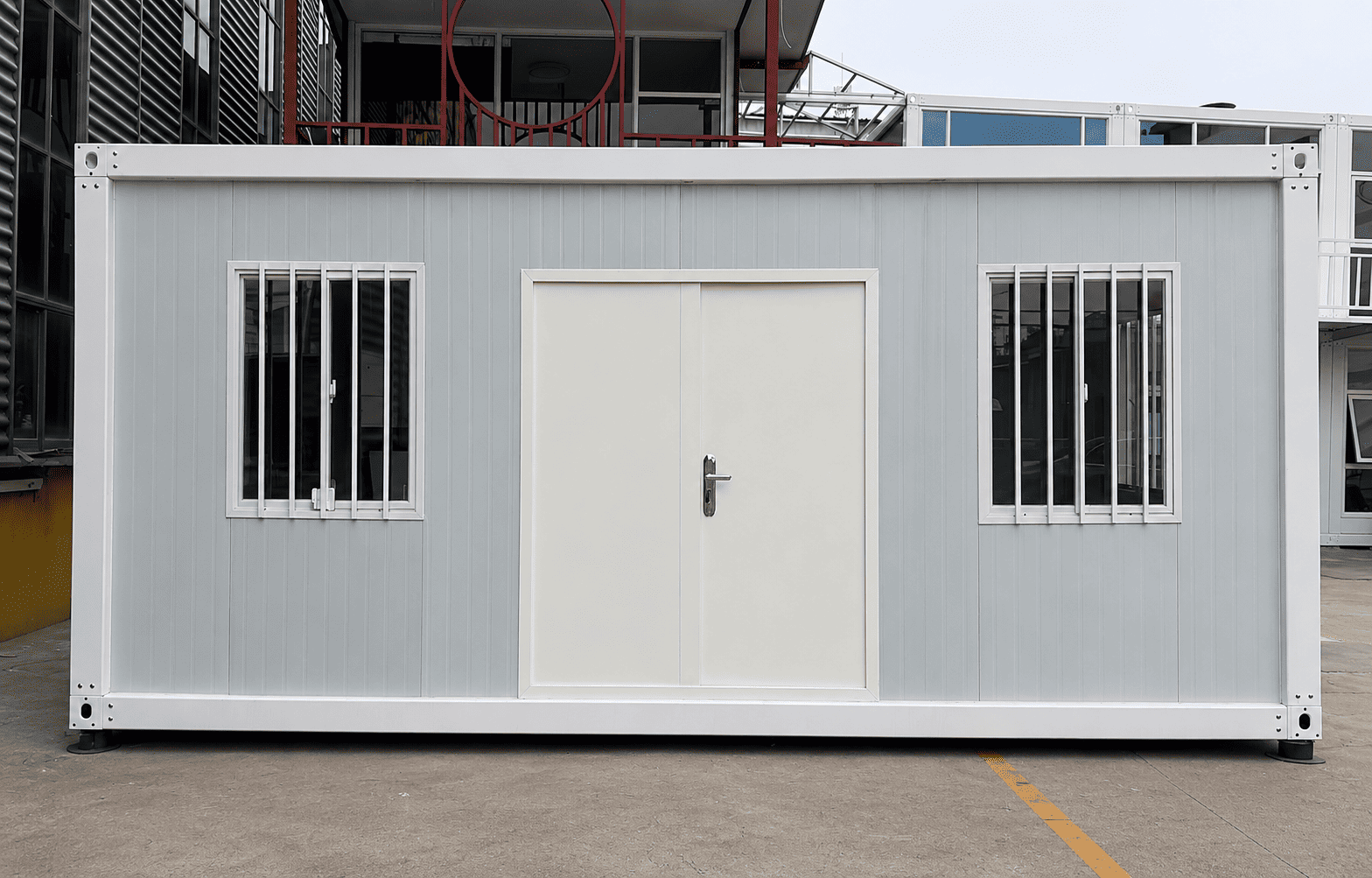
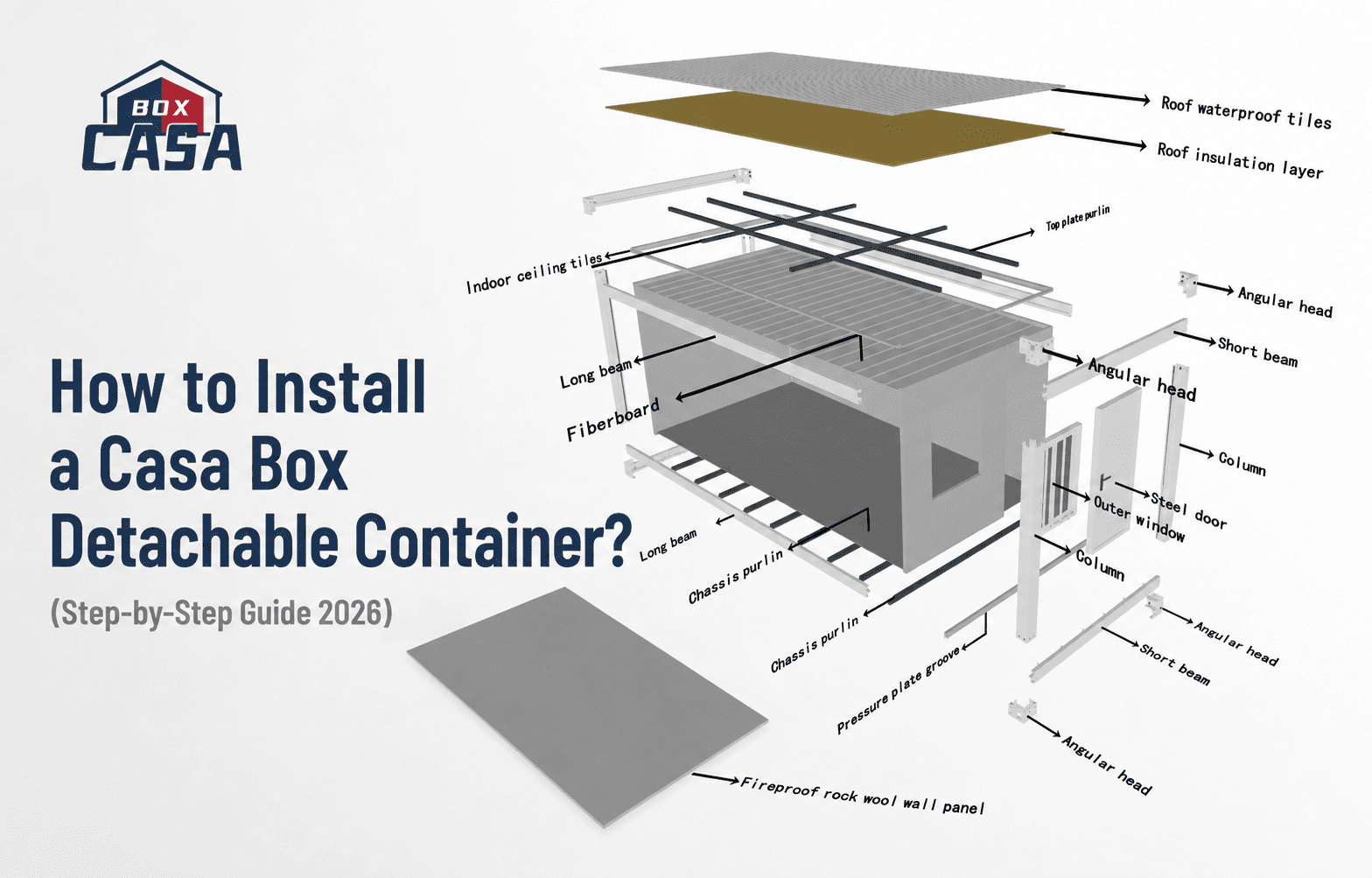
A Detachable Container House provides a more flexible approach. Through modular design, standardized components, and detachable connections, these buildings can be assembled, expanded, relocated, and reused according to project needs.
For construction companies, EPC contractors, and industrial project owners, the value of a detachable modular building is not only the speed of installation. The key advantage is its ability to provide a flexible space system that can support different applications throughout the project lifecycle.
From construction site offices and worker accommodation to mining camps and temporary public facilities, detachable container solutions are becoming an important option for projects requiring efficient space management.
Why Detachable Container Houses Are Suitable for Flexible Modular Spaces
A building is not only a physical structure. It is also a working environment that needs to support different activities throughout a project.
A construction site may require administrative offices during the early planning stage. Later, additional meeting rooms, technical offices, and accommodation facilities may become necessary as the workforce increases.
Traditional temporary buildings are often designed for one specific purpose. Once the project requirements change, modification becomes difficult.
A detachable container house solves this challenge through modular flexibility.
Flexible Layout and Space Combination
One of the main advantages of a detachable container house is the ability to create different layouts through modular combinations.
Individual units can be used as independent spaces or connected to create larger facilities.
For example:
· A small project office can be expanded into a complete site management center.
· Individual accommodation units can be combined into a worker camp.
· Multiple modules can create classrooms, clinics, commercial spaces, or service buildings.
This flexibility allows project managers to adjust building layouts according to actual requirements.
For large engineering projects, this approach reduces the risk of overbuilding at the beginning while maintaining the possibility of future expansion.
A modular container building can grow together with the project instead of being replaced when requirements change.
Faster Deployment for Construction and Industrial Projects
Project schedules are highly dependent on early site preparation.
Before construction activities begin, contractors need suitable facilities for engineers, supervisors, and workers. Delays in establishing these facilities can affect overall project progress.
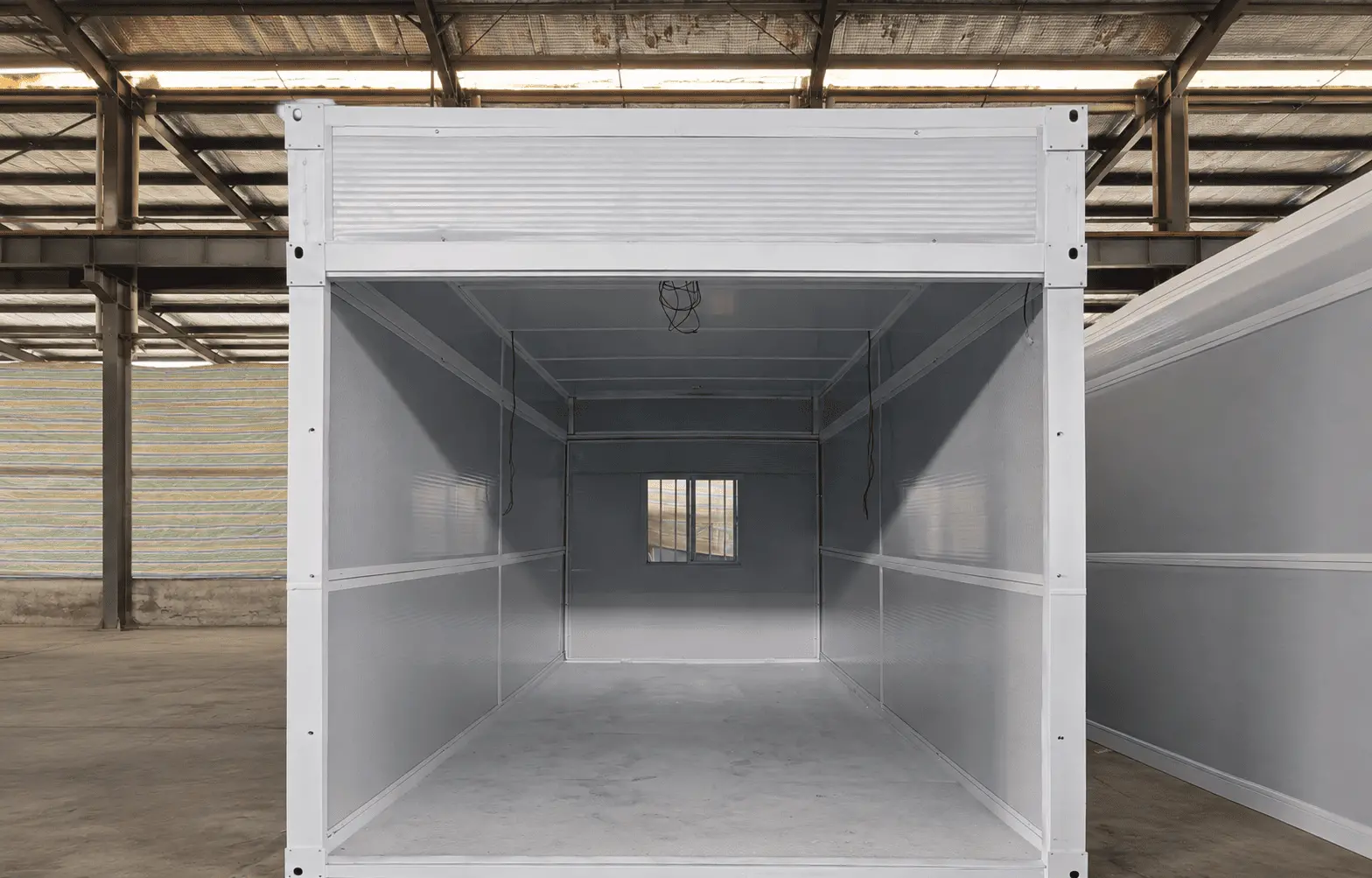
A detachable container house uses factory-based production methods. Major structural components, wall systems, electrical preparation, and interior systems can be completed before transportation.
After arriving at the project site, installation mainly focuses on assembly and connection.
This reduces the amount of traditional construction work required on site.
For remote projects, this advantage is especially valuable.
Mining areas, energy projects, and infrastructure developments are often located far away from cities where skilled labor and construction resources may be limited. A modular building solution reduces dependence on complex site construction processes.
A professional detachable container house manufacturer can provide standardized solutions that shorten preparation time while maintaining consistent quality.
Lower Project Cost Through Reuse and Relocation
When evaluating temporary buildings, many buyers only consider the initial purchase price. However, experienced project owners usually evaluate the total cost throughout the building lifecycle.
The actual cost includes:
· Transportation expenses
· Installation labor
· Maintenance requirements
· Relocation costs
· Replacement costs after project completion
A detachable container house creates value because it can be used multiple times.
After one project is completed, the building can be dismantled and transported to another location. The structure does not become a one-time investment that loses value after the original project ends.
For companies managing multiple construction projects, this capability provides better asset utilization.
For example, a contractor may complete a highway project and later start an industrial facility project in another region. A detachable modular office or accommodation building can be relocated instead of purchasing a completely new facility.
This reuse capability helps reduce long-term project expenses and supports more efficient resource management.
Why Casa Box Provides Detachable Container Solutions for Different Market Requirements
Different markets have different requirements for temporary and modular buildings.
A construction project in a tropical region may focus on ventilation, moisture resistance, and corrosion protection. A mining project in a remote area may require stronger structures, better insulation, and easier transportation. A government emergency project may prioritize fast delivery and reliable deployment.
Casa Box approaches detachable container solutions from an engineering perspective, considering the actual conditions of each project.
The goal is not simply to provide a standard container unit, but to develop modular spaces that match different application requirements.
Key considerations include:
· Project location
· Climate conditions
· Expected service period
· Transportation method
· Space planning requirements
· Future expansion needs
Through standardized manufacturing and customized design capabilities, Casa Box supports different types of projects with practical modular building solutions.
For customers searching for a reliable detachable container house supplier, manufacturing capability, engineering experience, and customization ability are important factors when selecting a long-term partner.
Casa Box Structural Upgrades for Better Detachable Container Performance
A detachable container house needs to perform reliably during transportation, installation, daily use, and possible relocation.
For this reason, structural design plays an important role in determining the overall quality of the building.
Casa Box focuses on several key areas to improve performance for different project environments.
Galvanized Steel Frame for Long-Term Durability
The steel frame is the foundation of a modular building.
Projects located in coastal areas, humid environments, or remote industrial locations often face challenges caused by moisture and corrosion.
Using galvanized steel helps improve corrosion resistance and extends the service life of the structure.
For long-term projects, the quality of the steel frame directly influences safety, maintenance requirements, and operational costs.
A reliable detachable container house supplier should pay close attention to steel processing, structural accuracy, and surface protection during manufacturing.
Bolt Connection Design Improves Installation and Future Flexibility
The connection method directly affects the installation efficiency, structural stability, and reuse capability of a detachable container house.
Traditional temporary buildings often rely on fixed construction methods. After installation, changing the structure or relocating the building can require significant additional work.
Casa Box detachable container solutions use modular connection methods to improve flexibility during different project stages.
Bolt connection systems allow components to be assembled and separated more efficiently. During initial installation, this reduces the complexity of on-site construction. When a project location changes, the structure can be dismantled and prepared for transportation without causing major damage to the building components.
This design is particularly suitable for projects with changing requirements.
For example, infrastructure projects may move from one construction section to another. Mining companies may develop different operation areas over time. Energy projects may require temporary facilities during different construction phases.
A detachable structure allows buildings to follow project development instead of remaining fixed in one location.
For project owners, this creates additional value because the building can continue serving different purposes throughout its service life.
Internal Drainage System Improves Long-Term Building Performance
Water management is one of the important factors affecting the durability of modular buildings.
Traditional temporary structures often use external drainage systems, where pipes and drainage components are exposed outside the building. Although this approach may be simple during initial installation, exposed systems can face problems during long-term operation.
External drainage components may be affected by:
· Weather exposure
· Physical impact
· Maintenance difficulties
· Appearance requirements
For projects requiring long-term use, a more integrated drainage design provides better reliability.
Casa Box incorporates an Internal Drainage System into selected detachable container solutions to improve building performance.
By integrating drainage routes into the structure, the system reduces exposure to external damage and helps maintain a cleaner building appearance.
This is especially valuable for:
· Long-term construction offices
· Worker accommodation facilities
· Commercial modular buildings
· Government temporary facilities
For remote projects, reducing maintenance requirements is important because repair work may require additional transportation, labor, and operational costs.
A well-designed drainage system supports better building durability and improves the overall user experience.
Rock Wool Sandwich Panel Supports Safety and Comfort Requirements
The performance of a modular building depends not only on the structure but also on the quality of the building envelope.
Different project locations have different climate conditions. Buildings used in cold regions need effective insulation. Projects in hot climates require better heat control. Facilities with higher safety requirements need reliable fire protection performance.
Casa Box uses Rock Wool Sandwich Panel solutions for applications requiring improved thermal insulation and fire resistance.
Rock wool materials are widely used in industrial and commercial construction because they provide several important characteristics:
· Good thermal insulation performance
· Fire-resistant properties
· Improved sound reduction
· Stable long-term performance
For worker accommodation, insulation directly affects living conditions. A building with poor thermal performance may require additional energy consumption for heating or cooling.
For site offices and technical facilities, a comfortable indoor environment helps maintain better working conditions during long project periods.
In regions with strict building safety requirements, fire performance is also a key consideration. Rock wool panels provide an additional level of protection compared with many traditional temporary building materials.
The selection of wall materials should always match the project environment, usage period, and local requirements.
Applications of Casa Box Detachable Container Houses in Different Industries
The value of a detachable container house comes from its ability to serve different purposes.
A modular building system is not limited to one industry. Through different layouts, materials, and configurations, it can support a wide range of applications.
Construction Site Office and Project Management Facilities
Construction sites require efficient communication between engineers, supervisors, contractors, and suppliers.
A well-designed site office provides space for:
· Project management
· Engineering discussions
· Document storage
· Safety meetings
· Daily coordination
Traditional temporary offices often require significant preparation before they can be used.
A portable container office based on a detachable structure can be installed quickly and adjusted according to project requirements.
For large construction projects, additional office modules can be added as management teams expand.
This makes detachable container solutions suitable for:
· Building projects
· Infrastructure construction
· Road and bridge projects
· Industrial development projects
Worker Accommodation and Construction Camps
Large construction projects often require accommodation facilities close to the working area.
Worker accommodation must provide more than basic shelter. It needs to consider:
· Safety
· Comfort
· Hygiene
· Space efficiency
· Long-term operation
A worker accommodation container solution can combine sleeping areas, dining spaces, rest areas, and service facilities into a complete modular camp.
For remote projects, including mining and energy developments, building a traditional accommodation facility may require significant time and resources.
Detachable container houses provide a practical approach by allowing companies to establish living facilities faster while maintaining flexibility for future expansion.
Mining and Remote Industrial Projects
Mining projects often operate in challenging locations where transportation and construction conditions are difficult.
Remote mining camps require buildings that can handle:
· Long-distance transportation
· Harsh weather conditions
· Limited local resources
· Changing workforce requirements
A construction camp container solution can provide accommodation, offices, storage areas, and service buildings within one modular system.
When the mining operation expands or moves to another area, detachable buildings can be relocated instead of abandoned.
This reduces waste and improves the utilization of project assets.
Oil and Gas Field Facilities
Oil and gas projects often require temporary facilities during exploration, construction, and maintenance stages.
These projects usually have strict requirements for:
· Installation speed
· Structural reliability
· Environmental adaptability
· Space flexibility
Detachable container houses can be used for:
· Site offices
· Worker accommodation
· Equipment support buildings
· Temporary service facilities
Their modular characteristics allow companies to adjust facilities according to different project phases.
Government Facilities and Emergency Applications
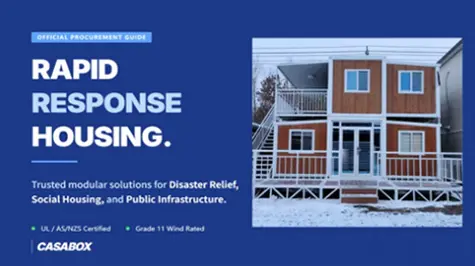
Government projects may require temporary buildings for public services, disaster response, education facilities, and healthcare expansion.
In these situations, speed and reliability are critical.
A modular building solution can provide:
· Temporary classrooms
· Medical facilities
· Public service offices
· Emergency accommodation
Because the structure can be transported and installed efficiently, it is suitable for situations where traditional construction cannot meet urgent requirements.
How to Select the Right Detachable Container House Supplier
Choosing a suitable supplier requires more than comparing product prices.
A professional buyer should evaluate several factors:
Manufacturing Capability
A qualified detachable container house manufacturer should have complete production processes, including steel fabrication, panel production, assembly inspection, and quality control.
Engineering Experience
Different applications require different designs.
A supplier experienced in construction projects, industrial facilities, and remote camps can provide more practical recommendations.
Customization Ability
Projects may require different:
· Layouts
· Sizes
· Insulation systems
· Interior configurations
· Transportation methods
A flexible supplier should be able to adjust solutions according to actual requirements.
International Delivery Support
For overseas projects, export experience is also important.
Packaging methods, transportation planning, installation guidance, and after-sales service all influence project success.
Detachable container houses have developed from simple temporary facilities into flexible modular building solutions that support a wide range of project requirements.
Their value comes from the combination of adaptable layouts, efficient installation, reusable structures, and reliable engineering design.
For construction companies, mining operators, government organizations, and industrial project owners, selecting the right modular building system can improve project efficiency and reduce long-term operational costs.
Casa Box continues to optimize detachable container solutions through structural improvements, material upgrades, and application-focused design, helping customers create practical spaces for different working environments.
Every project has different requirements regarding location, climate conditions, space planning, and usage duration. For detailed product information, customized solutions, and project consultation, don't hesitate to get in touch with our sales team. Casa Box will provide professional support based on your specific project needs.
Content Center
Container house news, guides and project insights.