 en
en
 Italian
  Spanish
  Hungarian
  Thai
Thai  Japanese
  Portuguese
  Malay
Malay  Russian
  French
  German
  Arabic
  Indonesian
Why More Construction Companies Are Choosing Detachable Container Houses
Construction projects rarely begin with the main structure. Before foundations are poured and heavy equipment starts operating, contractors need to establish a complete working environment for engineers, supervisors, workers, and project management teams.
A construction site may require offices, meeting rooms, accommodation facilities, security rooms, storage areas, dining spaces, and sanitation facilities before the first stage of the project can move forward. These temporary buildings directly affect project mobilization speed, workforce efficiency, and overall construction planning.
For many years, temporary facilities were treated as simple supporting structures. A basic office or worker camp was often considered sufficient as long as it could be completed quickly. However, large-scale construction projects have changed the way contractors evaluate temporary buildings. Projects today involve tighter schedules, higher labor costs, stricter safety requirements, and more complex site conditions.
A temporary building is no longer only a short-term expense. It has become part of project infrastructure.
This change has increased demand for detachable container house solutions in construction, mining, infrastructure, and industrial projects. Contractors are looking for buildings that can be transported efficiently, installed quickly, adapted to different project stages, and reused after the current project is completed.
The decision is no longer based only on the initial purchase price. Experienced project teams evaluate transportation costs, installation requirements, maintenance needs, and long-term utilization value before selecting a building system.
Why Temporary Buildings Have Become a Critical Part of Construction Planning
Construction schedules are built around multiple stages, and site preparation is one of the earliest challenges that project managers must solve.
Before construction activities begin, companies need a functional base of operations. Engineers need offices for drawings, coordination meetings, and project management. Workers need safe accommodation close to the construction area. Site managers need spaces for equipment coordination, documentation, and daily communication.
In remote locations, establishing these facilities can become a major logistical task.
A traditional construction approach usually requires transporting separate materials to the site and completing assembly after arrival. Steel structures, wall materials, insulation systems, electrical components, and interior finishes all need to be managed separately. The process depends heavily on local labor availability and weather conditions.
For projects with strict deadlines, this creates uncertainty.
A delay in temporary facilities can affect the entire construction schedule. Engineering teams may not be able to operate efficiently, workers may need to travel longer distances, and additional costs may appear during the mobilization stage.
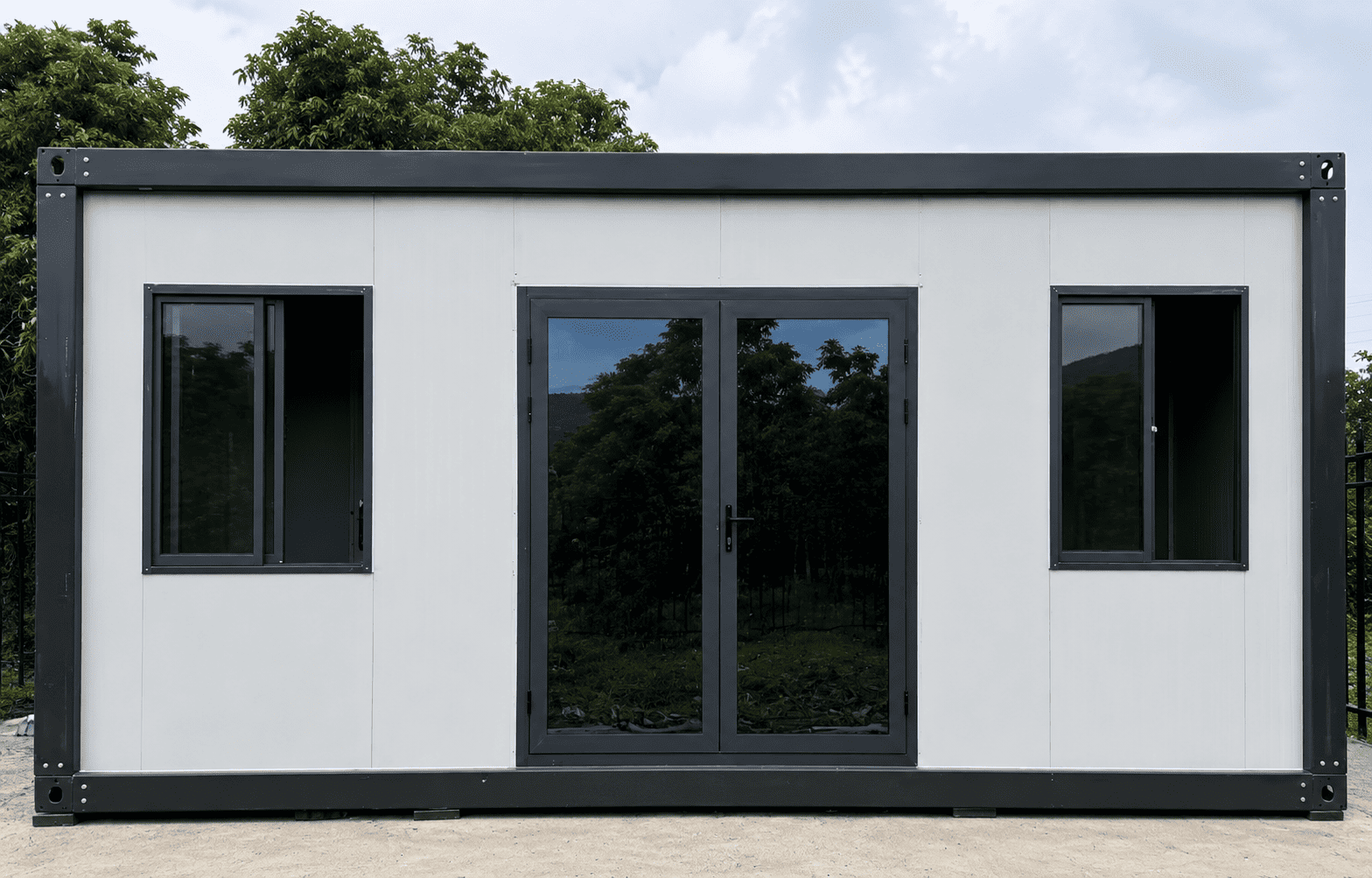
A detachable container house provides a different approach. The building is manufactured as a standardized modular system where major components are prepared before delivery. The site installation process focuses on assembly rather than traditional construction work.
This allows contractors to establish functional spaces faster and with better control over quality.
The same principle applies to different project types. A highway project may require temporary site offices along multiple construction sections. A mining project may need hundreds of worker accommodation units in remote areas. An industrial project may require additional offices during different construction phases.
The ability to deploy buildings according to project requirements has made modular solutions increasingly valuable.
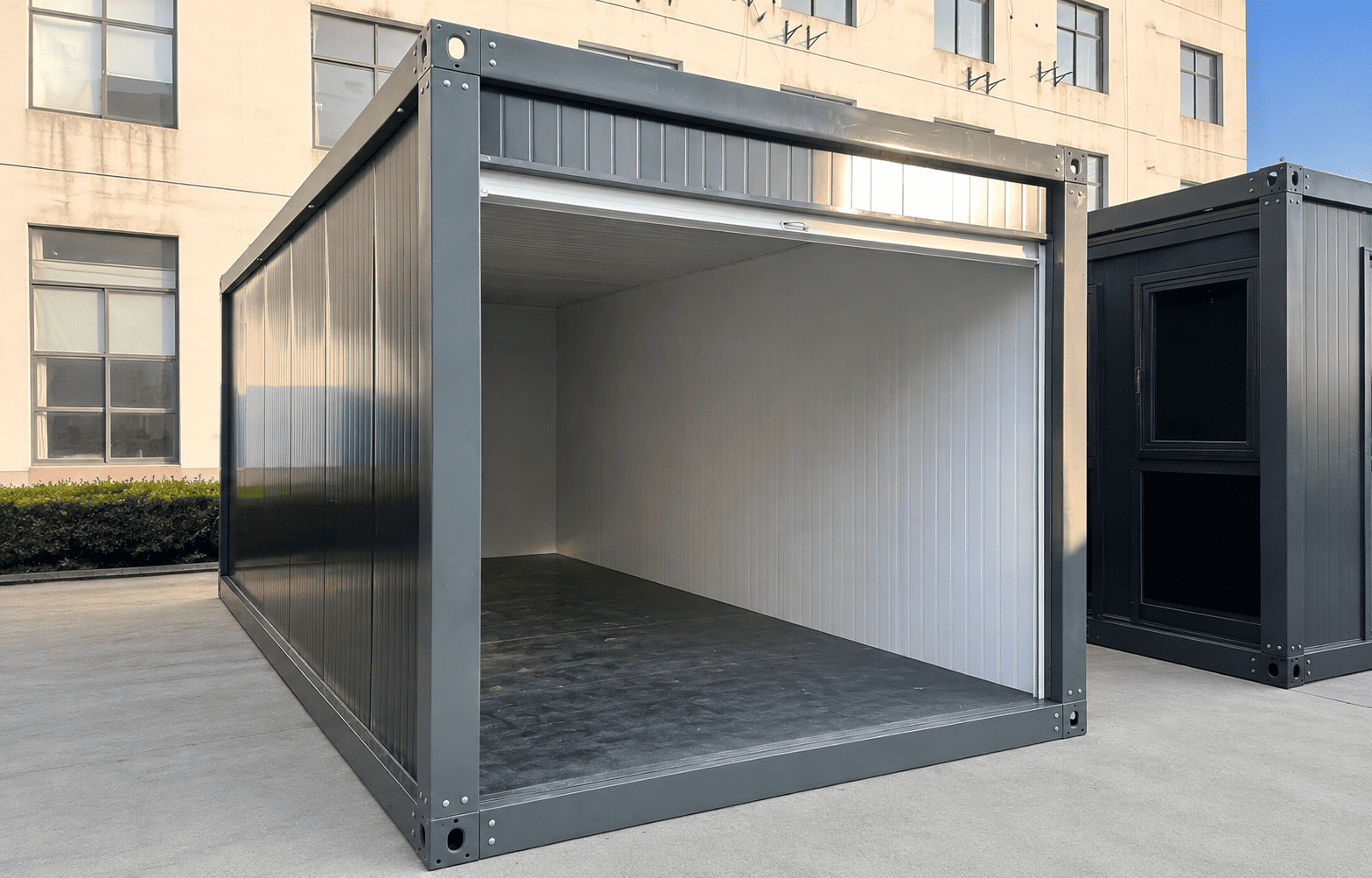
Why Construction Companies Are Moving Away From Single-Use Temporary Buildings
The cost of a temporary building is not limited to the amount paid during procurement.
A building that can only serve one project may create additional expenses after completion. Demolition, waste disposal, and purchasing new facilities for the next project all increase long-term costs.
Large contractors managing multiple projects have started to consider temporary buildings as reusable assets.
This is where the structure of a detachable container house becomes important.
The building system is designed for assembly, disassembly, transportation, and reinstallation. When a project finishes, the building can be relocated to another site instead of being abandoned.
For contractors working across different regions, this flexibility creates significant value.
A construction company may complete a six-month infrastructure project and immediately begin another development hundreds of kilometers away. A reusable modular office or accommodation building can follow the company’s project schedule instead of becoming a fixed cost left behind at the previous site.
This approach changes the way procurement teams calculate investment.
The question is no longer:
“How much does this building cost today?”
The more practical question becomes:
“How much value can this building create throughout its service life?”
This lifecycle perspective is becoming increasingly important in international construction markets. EPC contractors, infrastructure developers, and industrial project owners are paying closer attention to solutions that reduce repeated purchases and improve asset utilization.
How Detachable Container Houses Improve Site Mobilization Efficiency
The early stage of a construction project is often referred to as the mobilization period. During this phase, contractors prepare equipment, establish facilities, organize workers, and create the conditions required for construction activities.
Every day saved during mobilization can improve the overall project timeline.
A detachable container house supports faster site preparation because the production process takes place mainly in a controlled factory environment. Structural components, wall systems, doors, windows, insulation materials, and service connections can be prepared before transportation.
At the construction site, installation mainly involves connecting standardized components.
This reduces dependence on extensive on-site fabrication.
For project managers, this creates several advantages:
· More predictable installation schedules
· Reduced requirement for skilled labor on remote sites
· Lower impact from weather conditions
· Easier quality management
· Faster completion of functional spaces
These benefits are especially valuable for projects where construction teams must establish temporary facilities in difficult environments.
A mining camp located far from urban areas is a typical example. Transporting large numbers of workers and construction materials to a remote site already requires significant planning. A building system that reduces on-site construction work can simplify the entire process.
The same applies to large infrastructure projects such as bridges, railways, highways, and energy facilities. Project locations may change as construction progresses, and temporary facilities need to adapt accordingly.
A flexible modular system provides contractors with more control over project operations.
Why Transportation Efficiency Influences Building Selection
For international construction projects, transportation is often one of the highest hidden costs.
The building itself may be competitively priced, but transportation expenses can significantly affect the final project budget. This is particularly true for remote construction sites where materials must travel long distances.
The design of a detachable container house helps improve transportation efficiency through standardized packaging and modular components.
Instead of transporting a fully assembled structure, components can be packed in a more efficient way. This reduces unnecessary space during shipping and allows more building units to be delivered within limited transportation capacity.
For overseas projects, this advantage becomes even more important.
Shipping costs, port handling fees, inland transportation, and site delivery all contribute to the final cost of a temporary building solution. A design that reduces transportation volume can directly improve project economics.
This is one reason why many international buyers searching for a reliable detachable container house manufacturer focus not only on factory production capability but also on packaging methods, export experience, and logistics support.
A professional detachable container house supplier should understand the complete delivery process, from factory production to final installation at the project location.
Why Structural Design Determines the Long-Term Value of Detachable Container Houses
A temporary building does not mean temporary performance requirements.
Construction companies may use modular facilities for several months, several years, or across multiple projects. During this period, the building must continue to provide a safe and stable working environment despite changing weather conditions, transportation demands, and repeated installation cycles.
For this reason, structural design has become one of the most important factors when selecting a detachable container house manufacturer.
A reliable modular building system begins with the frame structure. The quality of steel, connection method, corrosion protection, and manufacturing precision all influence the service life of the final building.
Projects located in coastal areas, mining regions, or high-humidity environments place additional requirements on steel structures. Moisture, temperature changes, dust, and chemical exposure can accelerate corrosion if the structural system is not properly protected.
This is why many professional modular building suppliers use galvanized steel frames for detachable structures.
Why Galvanized Steel Is Important for Construction Applications
Steel provides the strength required for modular buildings, but untreated steel can face corrosion problems during long-term outdoor use.
A galvanized steel frame adds a protective zinc coating around the steel surface. This layer helps reduce exposure between the metal and environmental factors such as moisture and oxygen.
For construction projects, this protection has practical value.
A worker accommodation building installed at a mining site may remain outdoors for years. A temporary office located near a coastal industrial project may experience humid conditions every day. A modular building used for infrastructure development may need to be relocated several times during its service life.
In these situations, corrosion resistance directly affects maintenance requirements and operational costs.
A professional detachable container house factory should have strict control over steel processing, welding quality, surface treatment, and dimensional accuracy. The building frame needs to maintain its performance not only during the first installation but also after multiple relocation cycles.
The thickness and design of structural components also influence stability. A modular building used as a simple site office has different requirements from a multi-unit worker camp or a large construction facility.
Experienced buyers evaluate the complete structural system rather than focusing on a single specification.
Why Bolt Connection Supports Faster Installation and Reuse
Connection methods have a direct impact on how easily a building can be installed, dismantled, and relocated.
Traditional construction methods often rely heavily on permanent connections. Once assembled, changing the structure becomes difficult and expensive.
A detachable container house uses a modular connection approach, commonly based on bolt connections. This allows individual components to be assembled and separated without significant damage to the main structure.
For construction companies, this provides several practical advantages.
During the initial installation stage, bolt connections simplify assembly procedures and reduce the amount of specialized equipment required on site.
During relocation, components can be separated, transported, and assembled again at a new project location.
For contractors managing multiple projects, this creates a more flexible building asset.
A construction company may require a temporary office for one project today and a worker accommodation facility for another project in the future. A modular structure with detachable connections provides greater adaptability compared with traditional fixed temporary buildings.
The connection system also influences maintenance efficiency. If one component requires replacement, maintenance teams can repair specific sections instead of removing the entire building.
This approach supports lower lifecycle costs and better resource utilization.
Why Detachable Container Houses Are Suitable for Construction Camps
Among all applications, construction camps represent one of the most common uses for detachable modular buildings.
Large projects often require complete temporary communities rather than individual rooms.
A construction camp may include:
· Project offices
· Worker accommodation
· Dining facilities
· Recreation areas
· Storage rooms
· Medical rooms
· Security facilities
The scale of these facilities changes according to project requirements.
A highway project may need several small site offices distributed along different construction sections. A mining project may require accommodation for hundreds of workers. An energy project may need temporary facilities for engineers and technical teams during installation.
The modular nature of a detachable container house allows these facilities to be planned as a complete system.
Additional units can be added when workforce requirements increase.
Buildings can be rearranged when project phases change.
Facilities can be relocated when construction moves to another area.
This flexibility is particularly valuable for EPC contractors who manage complex projects with changing operational requirements.
The Role of Modular Site Offices in Modern Construction Projects
A construction office is not simply a room with desks.
It is the control center of a project.
Engineering teams use the space for coordination meetings, document management, technical discussions, and daily planning. Poor working conditions can affect communication efficiency and project management quality.
A well-designed modular site office provides a controlled environment with proper insulation, electrical systems, lighting, and functional layouts.
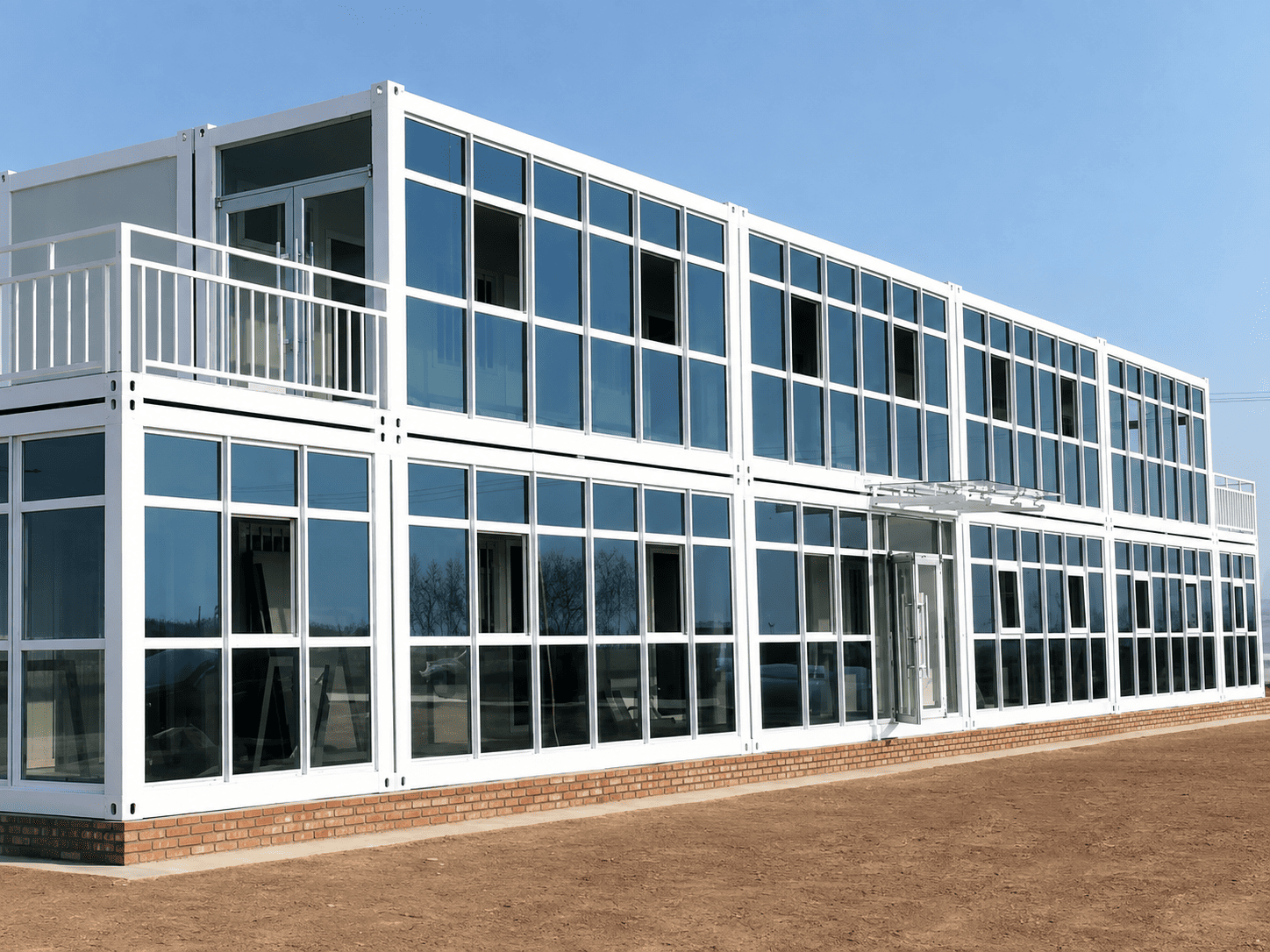
Many contractors now combine container office solutions with larger modular building systems to create professional project headquarters.
Compared with temporary structures built entirely on site, factory-produced modular offices offer more consistent quality and faster deployment.
For projects with strict safety and management requirements, this consistency is valuable.
How to Choose a Reliable Detachable Container House Manufacturer
Selecting the right supplier is one of the most important decisions before starting a modular construction project.
A low purchase price does not always represent the lowest project cost. Poor structural quality, delayed delivery, limited customization ability, and insufficient technical support can create additional expenses during installation and operation.
Professional buyers usually evaluate several key areas.
Manufacturing Capability
A qualified detachable container house manufacturer should have complete production capabilities, including steel processing, panel manufacturing, assembly testing, quality inspection, and packaging preparation.
Factory-controlled production helps maintain consistency between different building units.
Engineering Experience
Different projects require different solutions.
A worker camp for a mining operation has different requirements from a temporary office for an urban construction project.
Manufacturers with international project experience can provide better recommendations regarding layout design, insulation systems, transportation planning, and installation methods.
Quality Control System
Quality inspection should cover the complete production process.
Important areas include:
· Steel frame accuracy
· Connection strength
· Panel performance
· Waterproof design
· Electrical safety
· Packaging protection
A professional modular building supplier should provide clear quality standards before shipment.
Export and Installation Support
For overseas projects, manufacturing is only one part of the process.
Transportation planning, documentation, installation guidance, and after-sales support all influence project success.
A supplier experienced in international deliveries can help contractors reduce risks during project execution.
Future Demand for Detachable Modular Buildings
The construction industry continues to place greater value on speed, flexibility, and resource efficiency.
Large infrastructure projects, mining operations, industrial developments, and emergency facilities all require buildings that can respond quickly to changing conditions.
Detachable container houses fit this demand because they combine factory production, efficient transportation, fast installation, and long-term reuse.
The role of modular buildings is also expanding. They are no longer limited to simple temporary shelters. With improved structural systems, insulation materials, and engineering design, they are becoming practical solutions for professional project environments.
For contractors and project owners, the most important consideration is not simply selecting a building that can be delivered quickly.
The right solution should support the entire project lifecycle — from initial mobilization and daily operation to relocation and future reuse.
A well-designed detachable container house provides this balance through reliable structure, flexible application, and controlled project costs, making it an increasingly important choice for modern construction projects.
Every construction project has different requirements in terms of capacity, site conditions, transportation methods, and usage duration. A suitable detachable container house solution should be designed according to the actual project environment rather than based on a standard model alone. For detailed product information, customized solutions, and project consultation, please contact our sales team. We will provide professional support based on your construction needs.

Content Center
Container house news, guides and project insights.