 en
en
 Italian
  Spanish
  Hungarian
  Thai
Thai  Japanese
  Portuguese
  Malay
Malay  Russian
  French
  German
  Arabic
  Indonesian
How Long Can a Flat Pack Container Last With Proper Maintenance?
When a temporary building is expected to stay on a project site for several years, service life becomes a practical purchasing concern.
The question is not simply how strong the frame is when the building leaves the factory. A Flat Pack Container may spend years exposed to rain, sunlight, humidity, dust and temperature changes. Doors are opened and closed every day, roof areas collect water and connections remain under regular environmental stress.
Maintenance has a direct role in how well the building holds up.
For construction camps, site offices, worker accommodation and remote project facilities, a longer usable life also makes relocation and reuse more practical. The condition of the frame, panels, roof, connections and other components all need to be considered together.
What Determines the Service Life of a Flat Pack Container?
There is no single number that applies to every modular building.
Service life depends on several factors, including the materials used, structural design, local climate, installation quality, maintenance and how frequently the building is dismantled and installed again.
A unit installed in a dry inland area may face very different conditions from one operating in a humid coastal environment. Salt exposure, high rainfall and persistent humidity can place additional demands on metal components and exterior finishes.
The way the building is used also matters.
A lightly used site office will experience different wear from accommodation occupied by workers around the clock. Doors, locks, floor surfaces, wall panels and interior fittings may require attention at different intervals.
For buyers, the better approach is to look at the factors that influence service life rather than relying on a general lifespan figure.

The Structural Frame Comes First
The main frame carries the building loads, so its material and protection deserve close attention.
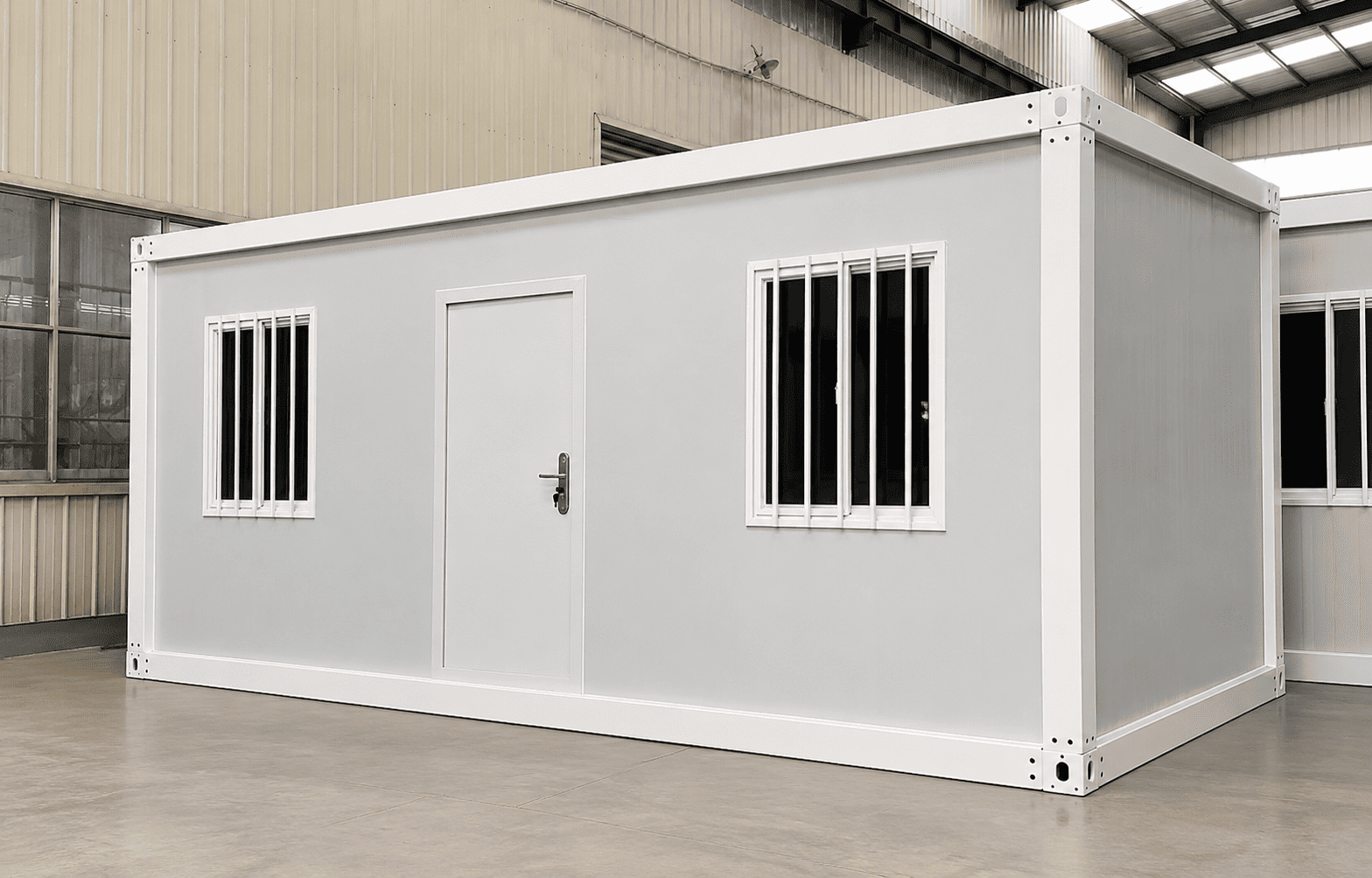
Casa Box uses a galvanized steel structural frame in its Detachable Flat Pack Container. Galvanization provides a protective layer against corrosion, which is particularly relevant for buildings exposed to outdoor conditions.
Corrosion does not happen at the same rate everywhere.
Humidity, salt in the air, standing water, damaged protective surfaces and poor drainage can all increase the risk. A galvanized frame still needs to be inspected during long-term use, especially at joints, connection areas and locations exposed to persistent moisture.
The structural system also needs to cope with repeated assembly when a building is intended for relocation or reuse. Connection components should be checked during dismantling rather than assuming that every part will remain in the same condition indefinitely.
Wall Panels Affect More Than Appearance
Wall panels are exposed to weather throughout the building's service period.
Insulated sandwich panels can provide the enclosure and thermal performance required for offices, accommodation and other temporary facilities, but their condition still needs to be monitored.
Particular attention should be given to:
· Panel joints
· Corners
· Edges
· Areas around doors and windows
· Damaged panel surfaces
· Sealing interfaces
Small damage should not simply be left because the building is classified as temporary.
A damaged panel or seal can allow moisture into areas that were originally protected. Early repair is generally easier than dealing with a larger problem after water has affected adjacent components.
Roof Condition Has a Major Effect
The roof receives continuous exposure to weather and often takes the most direct impact from rainfall.
Regular inspection should include the roof surface, joints, drainage outlets and areas where different components meet.
Water that remains on the roof for extended periods creates conditions that are best avoided. Leaves, dust and other debris can also interfere with drainage.
Casa Box's Detachable Flat Pack Container incorporates a built-in internal drainage arrangement. Rainwater is directed through a planned drainage route rather than relying entirely on exposed external drainage components.
The drainage system still needs inspection during service. Internal drainage does not remove the need to keep roof outlets clear or investigate unusual water accumulation.
A simple check after periods of heavy rain can reveal problems before they develop into interior leakage.
Climate Changes the Maintenance Requirement
The same container may perform differently in different environments because the surrounding conditions are different.
Projects in coastal areas face salt-laden air. Tropical locations may combine high humidity with heavy rainfall. Cold regions bring freeze-thaw conditions and seasonal temperature changes. Dry areas may have less rain but more dust and strong solar exposure.
These conditions should be considered when planning maintenance.
For example, a building near the coast may require closer inspection of exposed metal surfaces and connections. A project in a high-rainfall area should pay particular attention to roof drainage and sealing.
Maintenance plans should follow the actual environment rather than a fixed schedule copied from another project.
Good Installation Matters From Day One
Long-term performance can be affected before the building is fully occupied.
The foundation or support points need to be properly prepared. Structural components need to be correctly aligned. Roof panels and wall panels need to be installed according to the manufacturer's requirements. Connections and seals should be checked before the building is handed over.
Installation errors can create problems that appear months later.
An uneven support condition may place additional stress on the structure. Poorly treated joints can become leakage points. Incorrectly installed panels may allow moisture to enter the building envelope.
For a large project with dozens of units, installation quality needs to be consistent across the entire site. A good product still relies on correct site assembly.
What Should Routine Maintenance Include?
Routine maintenance does not need to be complicated.
A project team can start with regular visual inspections and deal with small issues before they become larger repairs.
A practical checklist includes:
Roof: Check for standing water, damaged surfaces, loose components and blocked drainage outlets.
Structure: Inspect visible frame sections and connections for corrosion, deformation or damage.
Walls: Look for damaged panels, gaps, staining and deterioration around joints.
Doors and windows: Check opening, closing, locks, frames and sealing.
Drainage: Keep outlets clear and check whether water is leaving the building normally.
Interior: Look for moisture marks, unusual odors, damp surfaces or staining that could indicate an exterior water problem.
The inspection frequency can be adjusted according to the project environment and building use. Buildings exposed to severe weather generally deserve more frequent checks.
Reuse Places More Demands on the Building
One of the reasons buyers choose detachable modular buildings is the possibility of using them beyond the first project.
That future use depends heavily on how the building is treated during its first service period.
Before dismantling, components should be inspected rather than simply taken apart and packed. Damaged panels, worn connections or corroded components should be identified. Components also need suitable protection during storage and transportation.
The same applies when the building is installed again.
A component that was already damaged during the first project may cause problems during the second installation if nobody checks it beforehand.
The detachable structure used by Casa Box makes disassembly and reassembly part of the building concept. The practical value of that feature depends on proper handling, storage and maintenance throughout the building's use.
Does More Maintenance Always Mean Higher Cost?
Not necessarily.
Routine inspection takes time, but finding a small problem early can avoid more extensive repair work later.
Consider a roof seal that has started to deteriorate. Replacing or repairing the affected area during routine maintenance is generally a smaller task than dealing with water damage to interior finishes, electrical equipment or stored materials.
The same applies to corrosion.
A small area of surface damage can be inspected and treated. Leaving it unchecked may allow corrosion to spread to a larger area or affect a connection.
For project managers, maintenance should therefore be viewed as part of asset management rather than an unwanted additional expense.
How Should Buyers Compare Durability?
Durability claims are easy to make and harder to evaluate.
Instead of asking only “How many years will it last?”, buyers can ask more specific questions:
Area | Question to Ask |
Frame | What steel material and corrosion protection are used? |
Roof | How is rainwater managed? |
Panels | How are joints and edges protected? |
Connections | What happens to the connections during repeated assembly? |
Climate | Is the design suitable for the project's environmental conditions? |
Maintenance | Which components require regular inspection? |
Replacement | Can individual damaged components be replaced? |
Reuse | What condition should components be in before relocation? |
The answers provide a much better basis for comparing suppliers.
A building intended for several years of use needs more than a strong-looking exterior. Its materials, connections, weather protection and maintenance requirements all contribute to the actual service life.
How Casa Box Supports Long-Term Use
Casa Box's Detachable Flat Pack Container combines a galvanized steel frame with insulated sandwich panels, a detachable structural system and built-in internal drainage.
Each feature addresses a different part of long-term use.
The galvanized frame provides corrosion protection for the main structure. The insulated panels form the building envelope. The drainage arrangement manages roof water, while the detachable structure allows the building to be dismantled when project requirements change.
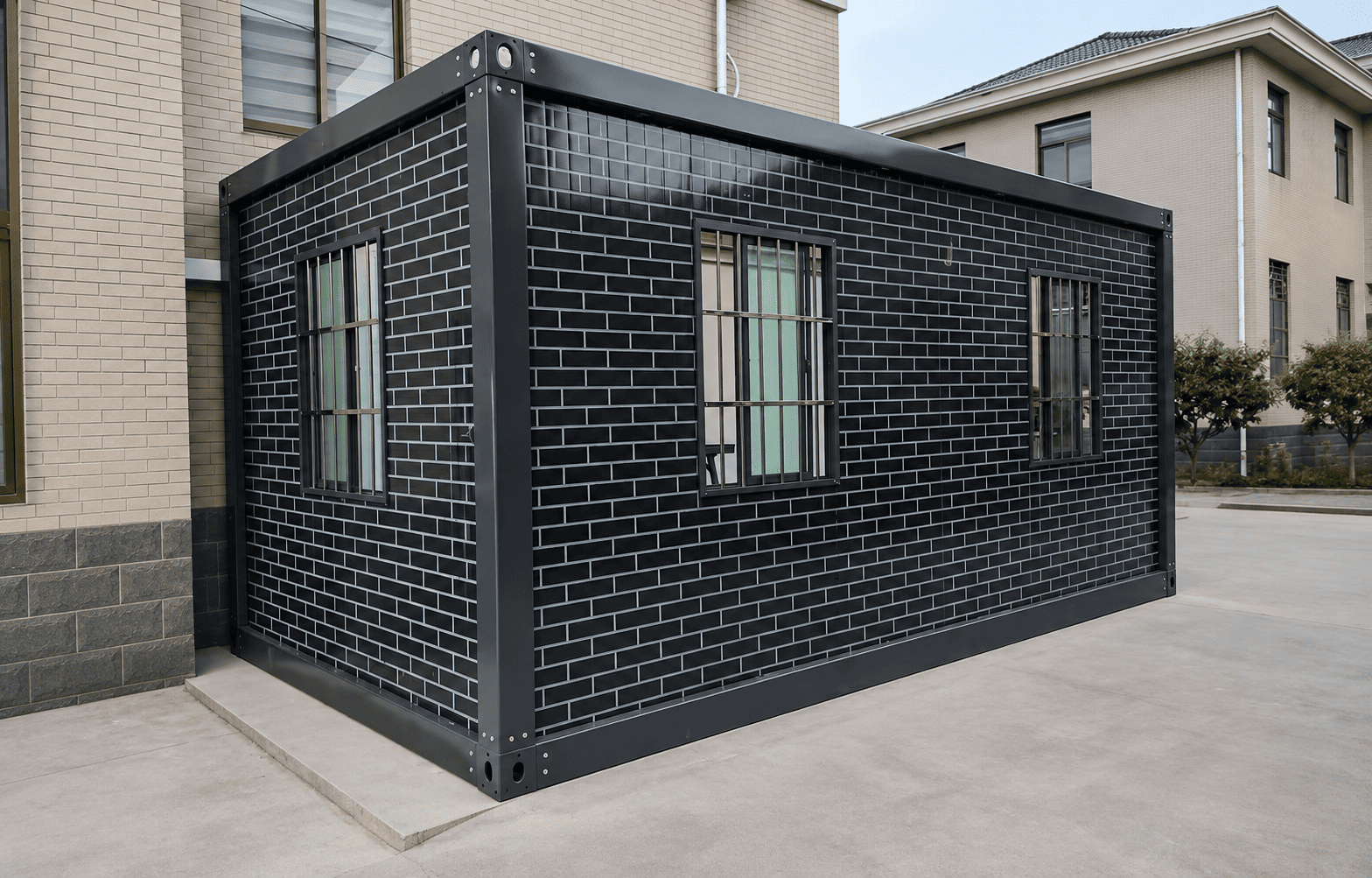
The exterior also uses a bolt-free appearance with no visible exterior bolts, reducing exposed connection hardware on the outside of the building.
Actual service life will still depend on project conditions and maintenance. Coastal exposure, rainfall, installation quality, frequency of relocation and daily use can all affect the condition of the building over time.
Service Life Should Be Considered Before Purchase
For a short-term project, the initial purchase price may receive most of the attention.
For a building expected to remain on site for several years or move between projects, the calculation needs to go further.
Material quality, corrosion protection, roof drainage, installation, inspection and component replacement all influence how much useful service a building provides.
The same applies to reuse. A detachable structure has greater value when its components remain in good condition and can be handled properly for another installation.
For construction companies, EPC contractors and project managers, durability is therefore not just a specification on a product sheet. It affects how long the facility remains usable, how much maintenance it requires and whether the building can continue serving another project later.
For detailed material specifications, structural configurations, maintenance requirements and project-specific applications, please contact the Casa Box sales team.
Content Center
Container house news, guides and project insights.